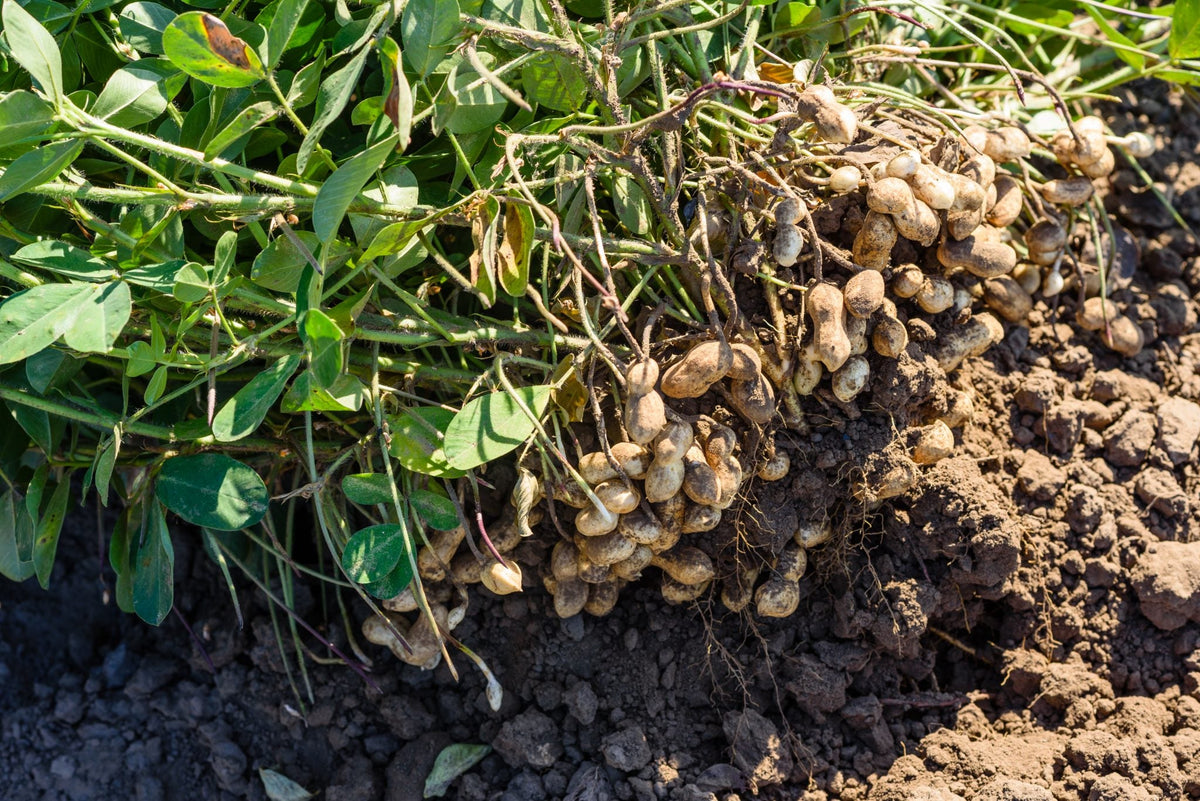
peanut seed for planting Jumbo Bailey Virginia Peanut Seeds - For 2026 Planting Top Producer
SKU: 14320182133
peanut seed for planting

peanut seed for planting Jumbo Bailey Virginia Peanut Seeds - For 2026 Planting Top Producer

Sale price$22.04 Regular price$24.49
Save 10%

Pay in installments of $6.12 with ShopPay, AfterPay and Klarna

Shipping Estimate
USA
  • USA
  • CAN

Ships within 48 hours · Estimated delivery Jul 3 - Jul 8

Promo Codes Available:

For Your Every Summer RSVP, with Code: SUMMER15

Description

peanut seed for planting Jumbo Bailey Virginia Peanut Seeds - For 2026 Planting Top ProducerJumbo Bailey Virginia Peanuts make tasty, jumbo, high yielding peanuts for planting! This exceptional variety features large, plump kernels offer a delightful, crunchy texture and rich, nutty flavor that is far superior to many store bought varieties. Known for their impressive size and uniformity, these peanuts are bred to be excellent for roasting and salting, growing in clusters and yielding an abundant harvest. One plant yields 50 60 pods,

Jumbo Bailey Virginia Peanuts make tasty, jumbo, high-yielding peanuts for planting! This exceptional variety features large, plump kernels offer a delightful, crunchy texture and rich, nutty flavor that is far superior to many store-bought varieties. Known for their impressive size and uniformity, these peanuts are bred to be excellent for roasting and salting, growing in clusters and yielding an abundant harvest. One plant yields 50-60 pods, containing 1-3 extra-large nuts per pod. These peanuts are also packed with healthy fats, protein, and essential nutrients, making them a nutritious snack option for any time of the day. Try boiled for snacking or blended into fresh peanut butter! Loved for their resilience, they are well-suited to a variety of climates and growing conditions, ensuring that you can enjoy homegrown peanuts even in areas with hot, dry summers, and with good disease resistance .They are relatively easy to grow, making them an excellent choice for both seasoned gardeners and beginners. Whether you’re a peanut enthusiast looking to grow your own or simply want to enjoy the satisfaction of harvesting a high-quality, homegrown crop, Jumbo Bailey Virginia Peanuts are a great addition to your garden.

Also Known As: Jumbo Virginia Peanuts, Bailey Virginia Peanuts, Virginia Jumbo Peanuts, Bailey Peanuts, Virginia Giant Peanuts, Virginia Type Peanuts, Large Virginia Peanuts, Premium Virginia Peanuts, Bailey’s Virginia Jumbo.

Plant Name: Peanuts, Jumbo Bailey Virginia
Latin Name: Arachis hypogaea
Days to Germinate: 7-14
Days to Harvest: 145
Plant Height: 12 - 18 Inches
Spread: 2 - 3 Feet
Growth Habit: Spreading
USDA Zones: 6-11
Lifespan: Annual
Brand: TomorrowSeeds
Sunlight: Full Sun, Partial Shade
Pollination: Heirloom, Open-Pollinated
GMO: No
Fungicide-Treated Seeds*: No
Seeds Packed For**: 2026
*Fungicide-treated seeds protect the seedlings from diseases until they are up and growing. Do not eat treated seeds.
**Seeds are freshly packed for the growing season of the year listed. Seeds are still viable beyond pack date. Store in a cool and dry location such as the refrigerator or basement to best preserve germination rates.


Planting Instructions:

Soil Preparation:

Choose an area with heavy, well-draining soil that receives at least 6 hours of sunlight each day. Remove weeds, large rocks, and litter from the planting area. Leave small weeds and dead grass, they will enrich the soil when turned under. Spade or till the soil 8-12 inches deep. Loosening the soil will help the plant establish strong roots.

Plants grow best in soil with lots of organic matter. You may optionally add fertilizer or organic material such as compost, leaves, or rotted hay to mix into the soil at this point. For small gardens, scatter 2-3 tablespoons of a low-nitrogen fertilizer evenly and work into the top 2-3 inches of soil for each hill or 2 foot by 2 foot planting area. For larger gardens, scatter 2-3 pounds of a low-nitrogen fertilizer for each 100 square feet of planting area. Work fertilizer or organic material into the soil and leave the surface smooth.

Form rows of soil beds 4-6 inches high and at least 2 feet apart. This formation of ridges will help with drainage.

Planting:

Peanuts grows best in warm temperatures ranging from 70F-90F and requires a long growing season. For this reason, starting indoors then transplanting is favorable. Shell peanuts to reveal the seeds, then start indoors in containers 4-6 weeks before the last expected frost date in Spring, keeping seedlings at least 70F. Harden off then transplant seedlings outdoors in a sunny location when temperatures are consistently above 70F. To transplant seedlings, prepare a transplant hole outdoors in a sunny location. Remove the plants carefully from the pots or flats and set them in the transplant holes, burying some of the stem in the ground. Pack the soil loosely around the plant and leave a slightly sunken area around each plant to hold water. Water the plants after transplanting.

Directly Sowing: If directly sowing outdoors, plant peanuts in late spring when the soil warms to at least 65F. Fall planting is not recommended, unles since peanuts require a long growing season.

To plant, make holes 2 inches deep and spaced 6-8 inches apart down the rows of raised beds. Shell peanuts to reveal the seeds, then plant 1 seed per hole. If choosing to thin to the strongest plant, plant 2-3 seeds per hole and determine the strongest and healthiest plant once seedlings emerge, then remove all other plants, narrowing to a single plant per hole. Cover seeds thinly with soil and water after planting.


Planting Depth: 2 inches
Within-Row Spacing: 6-8 inches
Between-Row Spacing: 2-3 feet


Care During the Season:

Watering: Water the plants deeply, soaking the soil to a depth of 6-8 inches, once a week. If there is no rainfall, water 2-3 times a week. Water especially during flowering and pod formation. Sandy soils may need to be watered more often than heavy clay soils. Mulching around plants can help retain moisture.

Weeding: Keeping plants weed-free improves production. If plowing or hoeing, do not dig deeper than 1 inch to prevent from cutting the feeder roots.

Fertilizing: Once plants start forming pods, you may optionally apply a low-nitrogen fertilizer, without letting the fertilizer touch the plants. Water plants after fertilizing.

Insecticides: Insecticides may be used to protect plants. Bt-based insecticides and sulfur are organic options that can be used for prevention. Sulfur also has fungicidal properties and helps in controlling many diseases. Before using a pesticide, read the label and follow cautions, warnings and directions.

Diseases: If spots or mold appear, treat plants with an approved fungicide. Neem oil, sulfur, and other fungicides may be used. When using fungicides always follow label directions.

Harvesting:

To harvest peanuts, first pull a plant and check the pods before harvesting the entire crop through to be certain about the peanut harvest time. The pods are the best indication of when to dig up peanuts. The peanuts should nearly fill the pods and the leaves should be yellowing. Pull the peanut plants, roots and all, and hang in a cool, dry place for 7-10 days. Then strip the peanuts from the roots and store in mesh bags. For salted peanuts, soak in saltwater before roasting.

Shipping Notes
  • Free Standard Shipping on $100+ Orders to the USA.
  • Except Preorder products are shipped in 48 hours.
  • Delivery to the USA:
  1. Standard Shipping : 3-10 business days
  • If time is of the essence, please consider selecting expedited delivery for faster service.
Exchange/Return Notes
  • We offer a 30-day return/exchange service after receiving.
  • Final sale items are not eligible for returns or exchanges.
  • To process your return/exchange, please contact us at [email protected]
  • Please click here for more details>>> Return & Exchange Policy
SKU: 14320182133

Discover Niche Categories That Outsell peanut seed for planting

Top-Converting Item to Boost Your Average Order

4.4 ★★★★★
Based on 1706 reviews
Sort
Highest Rating
Newest First
Oldest First
Product Reviews
A
Verified Purchase
Amy Biggs
Lake Worth, US
★★★★★ 5
Revolutionary Health Guide That Actually Transforms Daily Wellness Through Practical Science!
Format: Hardcover
Glucose Revolution has been absolutely transformative for my health understanding and provides exactly the actionable, science-based approach needed to optimize energy, weight, and overall wellness through blood sugar management that actually works in real life! As someone who struggled with energy crashes, weight fluctuations, and general wellness concerns while wanting evidence-based solutions rather than fad diet approaches, this book delivers the comprehensive education and practical strategies that make sustainable health improvement achievable through understanding glucose impact on daily functioning. The scientific foundation is outstanding with clear explanations of how blood sugar affects energy, mood, weight, and long-term health while making complex metabolic concepts accessible to readers without medical backgrounds. The research-based approach provides confidence that recommendations are grounded in genuine science rather than marketing trends or unsubstantiated claims. What impressed me most is the practical application focus that translates scientific knowledge into daily habits and food choices that actually work within busy lifestyles and real-world eating situations. The actionable strategies eliminate the gap between health knowledge and implementation that makes many health books intellectually interesting but practically useless. The meal timing and food combination guidance provides specific, implementable advice about optimizing glucose response through strategic eating patterns that don't require extreme dietary restrictions or complicated meal planning. The flexible approach accommodates various dietary preferences while delivering consistent metabolic benefits. The energy stabilization benefits have been genuinely life-changing with elimination of afternoon crashes and dramatic improvement in sustained energy throughout the day that supports productivity and overall quality of life. The consistent energy demonstrates real metabolic improvement rather than temporary dietary effects. The weight management insights explain the connection between glucose spikes and weight gain while providing sustainable approaches to weight control that don't rely on calorie restriction or unsustainable eating patterns. The metabolic approach to weight management proves more effective than traditional dieting methods. The food selection strategies help identify which foods support stable blood sugar while showing how to modify meals and snacks to minimize glucose spikes without eliminating entire food groups or following restrictive eating plans that become impractical for long-term adherence. The lifestyle integration makes glucose optimization practical within normal social eating, dining out, and family meal situations where extreme dietary approaches become socially isolating or practically impossible to maintain consistently over time. The educational value extends beyond glucose management to comprehensive understanding of nutrition science and metabolic health that supports informed food choices and health decisions across various wellness goals and life circumstances that require adaptable health knowledge. The motivation enhancement comes from visible, measurable results that demonstrate the effectiveness of glucose management approaches while providing sustainable motivation for continued healthy choices that don't rely on willpower or temporary enthusiasm that fades over time. The long-term health impact addresses chronic disease prevention through metabolic optimization while providing proactive health strategies that support aging well and maintaining vitality throughout life rather than reactive approaches that address problems after they develop. The accessibility makes advanced nutritional science understandable and applicable for readers regardless of previous health education while providing depth sufficient for those wanting comprehensive understanding of glucose metabolism and its health implications. The value for transformative health improvement is exceptional for a book that provides education and strategies equivalent to expensive nutritional counseling while delivering lasting knowledge that supports lifelong wellness enhancement through practical, sustainable approaches. For individuals seeking evidence-based health improvement that addresses energy, weight, and overall wellness through practical strategies that work within real-life circumstances while providing genuine understanding of metabolic health, this book delivers exactly the scientific foundation and actionable guidance needed for sustainable health transformation without extreme measures or temporary solutions.
WAS THIS REVIEW HELPFUL?YesReportShare
Reviewed in the United States on November 29, 2025
M
Verified Purchase
Marcus@TauCeti
New York, US
★★★★★ 5
Let me very clear. This book saved my Life!
Format: Hardcover
After a surprise diagnosis of Diabetes right before my retirement, this is the first book a bought after seeing segments on YouTube with the science of eating. I lost 60 pounds, got my glucose under control in less than 3 months and threw away all my diabetes medication! After three months, My doctor came in shaking my hand with congratulations! I was blown away. The book is full of practical advice for what to eat, when to eat, and what order to eat parts of your meal to control your blood glucose and not succumb to Diabetes. Life is all about choices! This book has easy instructions, thorough explanations, a little tongue in cheek humor along the way. If you want to kick your downward health spiral and kick diabetes to the curb making good health choices, then this is the Book for you.
WAS THIS REVIEW HELPFUL?YesReportShare
Reviewed in the United States on March 4, 2026
K
Verified Purchase
K.A.K.
New York, US
★★★★★ 4
Worth reading to better understand blood sugar, but don’t limit yourself to this one resource
Format: Hardcover
My mother had type 2 diabetes and ultimately died from related kidney failure. For years I have exercised and managed my diet in an effort to avoid a similar fate. I was therefore stunned during a recent doctor's appointment when it was revealed that my hemoglobin A1c was above normal limits. I immediately ordered a continous glucose monitor and was dismayed to see that my blood glucose levels were regularly exceeding what would be considered normal. I am now trying to learn as much as possible about preventing these elevated glucose levels. In my research I was led to Jessie Inchauspe (Glucose Goddess on Instagram) and decided to buy her book, The Glucose Revolution. I will say that the majority of the information in this book is available for free on her Instagram account. However, I like the simplicity of reading through the book rather than scrolling through posts and reels. The author gives a thorough overview of glucose, explaining the different forms and how they act in our bodies. She explains glucose spikes and has a really good explanation of what the hemoglobin A1c test is measuring. She then shares 10 hacks to help lower your blood sugar levels that I feel are relatively easy to incorporate into your eating plan. Some of them, like eating dessert over a sweet snack (eat a sweet food after a meal rather than on its own) were things that I have already been doing intuitively. I do wonder at the description of our stomachs as a sink and the intestine as the pipe below. She claims that when we eat carbs first, they flow uninterrupted into the intestine. Drawing on information from my college nutrition classes many years ago, I seem to remember that chemical digestion begins in your mouth and that because of the churning in your stomach, the food that you eat will all be mixed around and therefore it doesn't really matter what order you eat your foods in. That being said, it's a relatively minor thing to eat a veggie starter and/or eat foods in the described order. I also question the idea that our blood sugar shouldn't rise more than 30 points after eating. If my blood sugar is at 80, that means after eating my glucose level should not be above 110. That is well below the generally accepted rise to 140. I'm not saying that we should always be going to that level, but even a modest rise to 120 would not be accepable according to the standards presented in the book. Of note, the author does not have diabetes or prediabetes and started the Glucose Goddess after working for a company that was developing continuous glucose monitors. Overall, I do think this book is worth reading to better understand blood sugar. I wouldn't limit your knowledge to just this one source of information though. I've been slowly working through articles and videos published on the Nourished by Science website. I really appreciate the perspective offered there. Women entering menoupause might want to investigate the effects of decling estrogen on their blood glucose levels too. The New Menopause by Dr. Mary Claire Haver is a fantastic book on this stage of life.
WAS THIS REVIEW HELPFUL?YesReportShare
Reviewed in the United States on September 18, 2024
B
Verified Purchase
Brian Campbell
Lowell, US
★★★★★ 5
Glucose Revolution is very healthy and has specific recommendations
Format: Hardcover
This was recommended by an outstanding organization that addresses discomfort and overall health and wellbeing, Pearson and Weary. This gives recommendations to stabilize glucose and flatten curves. There was beneficial discussion of the use of fiber which slows the body's glucose absorption. Comparisons of orange juice (lacks fiber) vs. eating an orange (includes fiber) that does not create a glucose spike. Evaluated sugar as a cause of not feeling well and leading to glucose spikes which can lead to heart disease, type II diabetes and cognitive decline. Glucose spikes also lead to inflammation which is a common source of illnesses: strokes, chronic respiratory disease, heart disease, liver disease, diabetes and obesity. When glucose curves are flattened the body burns fat. The book reviews the short term and long-term effects of glucose spikes. Cornell University which I attended as an undergraduate stated there is a specific order to reduce glucose spies by 73% that includes fiber 1st, protein and fat 2nd, starches and sugars last. Other recommendations: (1) never drink fruit juice as sugar from fruit is missing the fiber "resulting in disastrous blood glucose levels." (2) Breakfast cereals is one of the "worst ways to begin your day as it always creates tremendous glucose spikes." Choose savory breakfast can include yogurt, meat, cream cheese, protein powder, butter, eggs, and seeds. Toast alone increases glucose spikes but added peanut butter or avocado can minimize spike. (3) artificial sweeteners can increase insulin rise and havoc in the gastrointestinal system. (4) fasting has benefits for 8-12 hours. (5) snacking increases obesity. (6) add one tablespoon of apple cider vinegar to a large glass of water which is best 20 minutes before eating. This approach after 3 months led to a loss of 2-4 pounds. Vinegar stimulates mitochondria to burn more fat. (7) exercising after eating can also reduce glucose spike and is beneficial within 70 minutes of food consumption.
WAS THIS REVIEW HELPFUL?YesReportShare
Reviewed in the United States on December 9, 2025
D
Verified Purchase
DRN
Belleville, US
★★★★★ 5
READ THIS AND CHANGE YOUR LIFE FOR THE BETTER NOW!!!
33% of Americans are verging on type 2 diabetes and do not know it. This should make you run to get this book! Following Glucose goddess on Instagram and got her book as well. It is easy to read, with fun illustrations by the author. She has truly helped me so much with my insulin resistance and managing my glucose spikes. "Lifestyle optimization" is an essential for everyone. Why wait until you are diagnosed? These hacks are simple, fun, and super easy. Her audiobook is also out now and is read by the author!! Which is awesome. What makes this book even MORE useful though, is if you invest in a continuous glucose monitor (CGM) and have the app. I had the Freestyle Libre sensor. Each sensor lasts 2 weeks on the skin and logs your real-time glucose levels 24/7. Way better than doing the old fashioned painful and wasteful lancet and test strips. Although you can verify your CGM occasionally using the lancet, and see how accurate the CGM is. You can have a CGM prescription written for you if you INSIST at your nurse practitioner's. (NPs are WAY more open to this kind of experimentation and self-monitoring...I got the rebuff from the doctor, HA!) What is so sad is that the healthcare system is so broken that insurance will NOT cover a CGM UNTIL you have full-blown type 2 diabetes and are dependent on exogenous insulin delivery. OR if you are a type 1 diabetic and born without the ability to process glucose. Sad huh? The FDA wants you sick, fat, ugly, and miserable. We are MUCH better desperate customers then...willing and eager to take any pills to solve the problems! Let's not be proactive and encourage the PATIENT to take measures against type 2 diabetes, right? So there are MANY benefits of managing glucose. Fairly effortless weight loss actually. In this book she dives into nutrition science and the biochemistry of different sugars as well. She has so much credibility and science-driven data backed up by her own personal journey as well as many peer-reviewed articles. Thank you Jessie!
WAS THIS REVIEW HELPFUL?YesReportShare
Reviewed in the United States on July 20, 2022

recommand products