Pay in installments of $7.41 with
 ,
,
 and
and

Shipping Estimate
USA
- USA
- CAN
- USA
- CAN
Ships within 48 hours · Estimated delivery Jul 3 - Jul 8
 Promo Codes Available:
For Your Every Summer RSVP, with Code: SUMMER15
Description
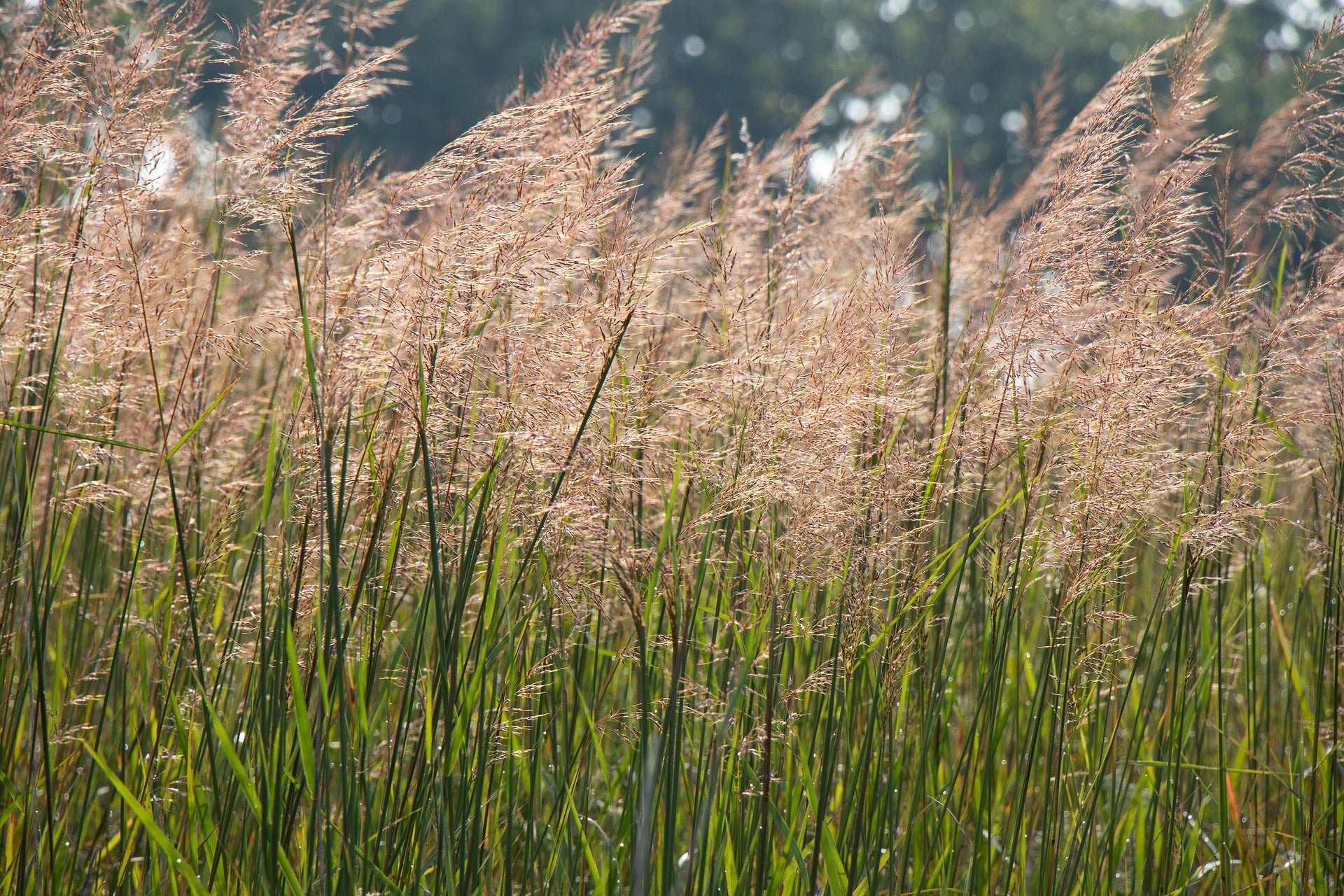
planting brome seed Smooth Brome Grass SeedBrome Grass is now outperforming many other species and varieties in trials throughout the northern half of the U. S. Benefits include it being very palatable, tough and resilient, with superior growth all year, and it being exceptionally drought tolerant.~~~ Brome Grass is now outperforming many other species and varieties in trials throughout the northern half of the U. S. Benefits include it being very palatable, tough and resilient, with superior
Brome Grass is now outperforming many other species and varieties in trials throughout the northern half of the U.S. Benefits include it being very palatable, tough and resilient, with superior growth all year, and it being exceptionally drought-tolerant.~~~
Brome Grass is now outperforming many other species and varieties in trials throughout the northern half of the U.S. Benefits include it being very palatable, tough and resilient, with superior growth all year, and it being exceptionally drought-tolerant.
Product Information
- Application or Use: Pasture, Cattle Forage, Livestock Grazing, Hay Production, Silage, Green Manure
- Germination Time: 21 - 28 days, under optimal conditions. Allow 3-4 weeks for the unstratified seed to break dormancy and germinate, under optimal conditions.
- Growing Locations: Warm Season, Transition Zone, Cool Season
- Height: 3 - 4 feet
- Sunlight Requirements: 8+ hours, full sun for best results
- Advantages: Very palatable, superior growth all year; outstanding drought tolerance.
- When to Plant: Recommended planting time is spring, when night time temperatures are consistently 65+ degrees.
Product Details
- Exceptionally drought-tolerant
- Superior growth all year
- Can uptake as much as 600 units of nitrogen per acre per year
- Grows 15 inches to 30 inches tall
-
Resistant to extreme temperature and drought
Product Information
Brome Grass was developed by researchers from the United States and New Zealand, and is now outperforming many other species and varieties in trials throughout the northern half of the United States.
Because of its highly-developed root system, smooth Bromegrass is resistant to temperature extremes and drought. It grows best on deep, well-drained silt or clay loam, but may also establish itself in sandier soils. The forage quality of smooth Bromegrass is higher than that of most other cool-season grasses such as Orchardgrass or Tall Fescue; crude protein levels in smooth Bromegrass often exceed 12% if it is harvested in the boot stage.
It is one of the most useful cool-season grasses throughout its range, valuable for hay, pasture, silage and green chop. Facilities needing to dispose of excess nitrogen will find this beneficial. Its rhizomes and tough root network also make it worthwhile for ground cover and erosion control.
*Product packaging may appear different than what is pictured. ~~~
In well-prepared seedbeds drill 25 to 30 lbs. per acre, and for broadcasting sow 40 to 50 lbs. per acre.No-till rates should be sown at 35 to 40 lbs per acre. Seeding depth must not exceed 1/4 in. deep. Spring plantings should be completed by early mid-May. Summer plantings should be completed by early September in northern areas to assure better winter survivability. For the south, the fall seems to be the best time to plant Lakota.
For maximum persistence, Lakota must be allowed to reseed itself in late summer. Like all Bromes, Lakota has limited tolerance to set stocking. It is best-suited to controlled-grazing systems, as well as hay and silage production. If grazing, it is best to leave at least 4 in. of stubble.
Longer pasture life can be attained if grown on well-drained, medium-high fertility soils with a pH 6.0 to 7.0. Generally, soils that support Alfalfa stands are good for Prairie Bromegrass. Prairie Bromegrass requires high levels of nitrogen fertilizer for top production. Applications of 30 to 50 lbs. of nitrogen per acre after each harvest will help provide for maximum production. Use of Ladino Clover is an excellent source for free nitrogen, and easily fits with both organic and non-organic farming practices. Prairie Bromes are not known to survive harsh open winters. The possibility of stand-loss due to winterkill is greater for regions that typically have long periods of below-freezing temperatures without snow cover. Better survival seems to be possible if stubble is cut or grazed down to less than 2 in. before entering winter.
Almost all smooth Bromegrass seed sold in Missouri is common seed. This strain, derived from the Lincoln cultivar, is probably the best choice. Although other private varieties do exist, they have not been proved effective enough to justify the increased cost.
In Missouri, smooth Bromegrass may be planted from late February through early April, and in September. Of these, a September planting is the most likely to be successful. Seedlings of smooth Bromegrass experience less competition from weeds in the fall, and will become fully established the following spring, enabling them to endure the next summer.
The seedbed must be prepared carefully. Several weeks before planting begins, germinating weeds should be discouraged through light disking, herbicide application or other preventative measures. To ensure that the seedlings establish themselves properly, the soil should be fertilized with 30 to 40 lbs. of nitrogen (N) per acre. The soil should also be tested to determine if it is too acidic or deficient in potassium (K) and phosphorus (P). Ideally, the pH of the planting area should be above 5.5, the K level between 220 and 225 lbs. per acre, and the P level between 30 and 40 lbs. per acre. The best way to accomplish this is to take a soil sample, send it in to a laboratory and follow their recommendations.
Drilling, which ensures more consistent coverage, is the preferred method for seeding smooth Bromegrass. Because the seeds contain little stored food, they should be planted 1/4 to 1/2 in. deep. This method requires 10 to 15 lbs. of pure live seed per acre. However, the light, chaffy seeds of smooth Bromegrass often cause feeding problems in standard drill mechanisms. Because of this, a native grass drill is the best way to drill smooth Bromegrass. This kind of drill has a toothed picker wheel rather than a fluted wheel, which enables it to accommodate chaffy seed.
The seed can also be broadcast with wheat or some other cover crop. After broadcasting 15 to 20 lbs. of pure live smooth Bromegrass seed, the cover crop should be seeded and the Bromegrass seed covered. By the time the cover crop is taken, the smooth Bromegrass should be established. Although this method takes longer, it has the advantages of providing a quick forage and preventing erosion.
Smooth Bromegrass must be fertilized with nitrogen (N) to avoid becoming sod-bound. Although smooth Bromegrass responds positively to nitrogen rates of up to 275 lbs. per acre, applying between 80 and 150 lbs. per acre usually produces the highest economic return. This N may come from any one of a number of sources, such as liquid nitrogen solutions, urea or ammonium nitrate. If the stand is grazed in the fall, 30 to 40 lbs. of the N should be applied in late August or early September, with the rest used before the soil freezes in November or December. However, liquid nitrogen and urea may volatilize if applied before November or after February. In addition, excessive fertilization may lead to problems ranging from lodging during harvest to grass tetany and nitrate-N toxicity. The soil of a Bromegrass stand should also be tested at least every other year to determine if it has become phosphorus or potassium-deficient.
Maximum economic return from the application of nitrogen to smooth Bromegrass occurs between 80 and 150 lbs. per acre.
Weeds such as Musk Thistle and Johnsongrass may also cause problems, particularly if the stand is to be harvested for seed. The best way to prevent these problems is to keep the stand healthy and able to compete, through fertilization and proper management. Roadsides and boundaries around fields of smooth Bromegrass should be mowed to prevent infiltration. Burning post-harvest residue may help eliminate an existing problem in a seed field.
Managing a stand of smooth Bromegrass must be done with some care. The grass is vulnerable to overuse during its stem elongation and heading stages. Due to the destruction of shoot apices, grazing or mowing at this time will lead to thinner stands and decreased regrowth. Furthermore, summer pasturing will result in overgrazing unless the Brome pasture has been understocked throughout the spring. Close grazing in fall may also cause depletion problems the next spring.
Rotational stocking, particularly in conjunction with a pasture of warm-season grass for summer use, is the best grazing method (Figure 4). Animals should be concentrated in one pasture for a period of time determined by forage availability. Such a strategy ensures the use of a greater amount of forage and permits the smooth bromegrass to recover more completely, so that the pasture will provide adequately when it is grazed again. It also enables pastures of warm- and cool-season grasses to be used at times of maximum nutrition.
A pasture of mixed Alfalfa and smooth Bromegrass also has advantages. This combination limits the problems of bloat and short grazing seasons that come with Alfalfa, and causes better animal performance than a pasture of pure smooth Bromegrass.
Smooth Bromegrass-Alfalfa also makes excellent quality hay. However, the smooth Bromegrass may not persist as well as other grasses in such mixtures. Studies in the midwestern United States show that Orchardgrass is more persistent than smooth Bromegrass when mixed with Alfalfa. The lack of smooth Bromegrass persistence in such mixtures is related to management decisions that favor Alfalfa. Mixtures of smooth Bromegrass and Alfalfa are normally cut on the basis of Alfalfa maturity and quality. The hay is often clipped too early or too short, thereby removing the growing point of the smooth Bromegrass.
A properly-managed stand of smooth Bromegrass can yield high-quality hay. This forage is best if it is cut between early heading and full bloom, typically around mid-May. Smooth Bromegrass left much beyond this period will decrease rapidly in nutritional content. By the dough stage, the grass will be nutritionally inadequate. Also, smooth Bromegrass should never be cut below a height of four in. or its regrowth potential will be greatly reduced.
Seed production is another alternative. Smooth Bromegrass seed should be harvested when the culm, or stem just below the seed head, has matured and dried out, ideally on a day when the humidity is less than 50%. Once it has been collected, the seed should be turned daily to prevent heating. The stubble can also be collected but is much less nutritious than earlier-season hay. Seed yields typically range from 300 to 1,000 lbs. per acre, but a stand older than two years may exhibit production problems. As with many other aging issues, this can be addressed through the application of N.
In summary, smooth Bromegrass can be a valuable cool-season grass, especially in conjunction with a legume such as Alfalfa. However, smooth Bromegrass is slow to recover from poorly-timed or extreme grazing or mowing. Older stands require N fertilization to remain productive. It should not be grazed or cut shorter than four inches and works best as part of a rotational-grazing program.
Shipping Notes
- Free Standard Shipping on $100+ Orders to the USA.
- Except Preorder products are shipped in 48 hours.
- Delivery to the USA:
- Standard Shipping : 3-10 business days
- If time is of the essence, please consider selecting expedited delivery for faster service.
Exchange/Return Notes
- We offer a 30-day return/exchange service after receiving.
- Final sale items are not eligible for returns or exchanges.
- To process your return/exchange, please contact us at [email protected]
- Please click here for more details>>> Return & Exchange Policy