Pay in installments of $5.85 with
 ,
,
 and
and

Shipping Estimate
USA
- USA
- CAN
- USA
- CAN
Ships within 48 hours · Estimated delivery Jul 3 - Jul 8
 Promo Codes Available:
For Your Every Summer RSVP, with Code: SUMMER15
Description
brazil pothos plants Shop 'Philodendron brasil' Care and Growing GuideThe Brasil Philodendron brasil, also known as Philodendron hederaceum brasil, is a popular and easy care houseplant known for its colorful, variegated leaves and vining growth habit. It gets its name for its resemblance to the colors of the Brazilian flag. The brasil plant boasts heart shaped leaves with vibrant green and lime yellow stripes that brighten up any indoor space. Its often featured in modern interior designs, bringing life and color to
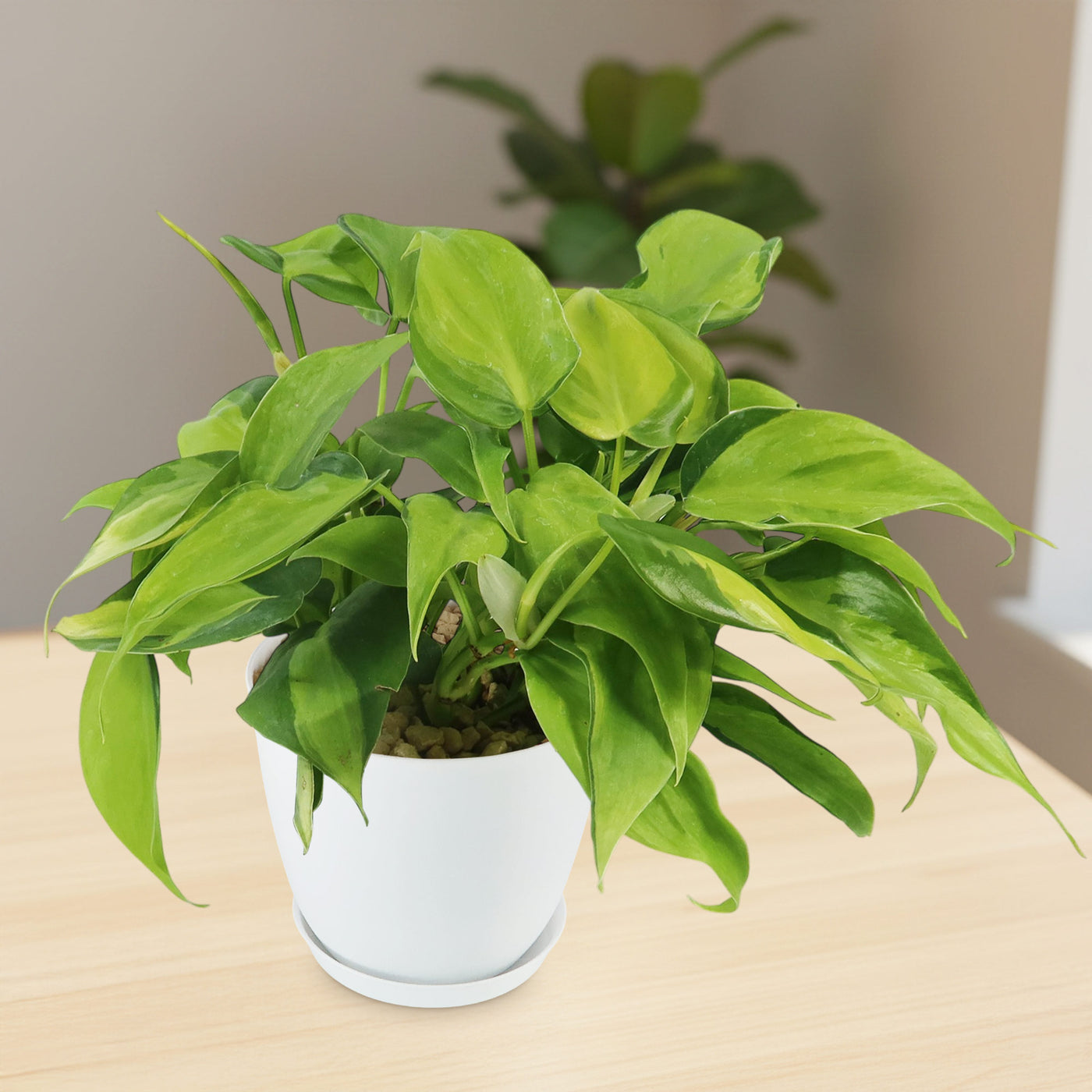
The Brasil Philodendron brasil, also known as Philodendron hederaceum ‘brasil’, is a popular and easy-care houseplant known for its colorful, variegated leaves and vining growth habit. It gets its name for its resemblance to the colors of the Brazilian flag. The brasil plant boasts heart-shaped leaves with vibrant green and lime-yellow stripes that brighten up any indoor space. It’s often featured in modern interior designs, bringing life and color to spaces with its cascading vines.
The ‘brasil’ is also well-known for its air-purifying qualities, as it can help filter toxins from indoor air, contributing to a healthier home environment. It is a member of the Araceae family, the Philodendron brasil is often mistaken for pothos due to its similar vining habit and heart-shaped leaves. However, its unique coloration and adaptability make it a prized choice for indoor gardeners looking to add a touch of the tropics.
Native to Central and South America, Philodendron brasil thrives in tropical rainforests, where it naturally grows as a climbing or trailing plant.
In its natural habitat, it uses aerial roots to attach itself to tree trunks, which allows it to reach for dappled light through the dense canopy. This tropical origin makes it particularly well-suited for warm, humid indoor environments, where it can easily adapt to lower light levels and grow lush, cascading vines.
Its natural adaptability to both climbing and trailing forms makes it a versatile choice for hanging baskets, shelves, or as a table-top vine.
The Philodendron brasil has heart-shaped leaves with a soft, smooth texture and unique variegation, featuring deep green edges with bright, lime-green and chartreuse streaks running down the center. Each leaf varies in its pattern, giving the plant a dynamic, multi-toned look.
As it matures, the plant can grow vines that reach several feet in length, creating a beautiful cascading effect when grown as a hanging plant. With a mature height of about 2 feet in container settings and trailing vines that can extend to 6 feet or more, it’s a perfect fit for indoor spaces looking to achieve a lush, tropical look.
Philodendron ‘Brasil’ rarely flowers indoors; however, in its natural environment, it produces small, insignificant flowers typical of the philodendron family. These blooms, while not particularly showy, appear as spathes and are designed to attract pollinators.
Its popularity has grown alongside a surge in demand for variegated and tropical plants, making it a favorite for both beginner and seasoned plant collectors. With its forgiving nature and bold coloration, it’s frequently recommended as a top choice for those looking to start their plant journey.
When and How to Water Your Brasil Philodendron
This is a pretty chill plant when it comes to watering – it's quite drought-tolerant, which means it can handle a bit of neglect when it comes to watering. It should never be kept in soggy soil for long, because Philodendron brasil is sensitive to excessive watering.
In the spring and summer growing season, water your Philodendron Brasil thoroughly when the top inch or two of soil feels dry, usually about once a week for established plants. This plant is somewhat drought-tolerant, so if it’s mature and well-rooted, it can handle slightly extended periods between waterings if needed. Just be sure to allow any excess water to drain from the pot to prevent waterlogging and protect against root rot.
As the plant enters its dormant season in the fall and winter, you'll want to reduce the frequency of watering. During this time, let the soil dry out a bit more between waterings, but still ensure that the plant doesn't completely dry out. It's best to water less often during the dormant season to mimic the plant's natural growth cycle. Overall, aim to water your Philodendron brasil moderately, ensuring the soil is consistently moist but not waterlogged, to keep this lovely plant happy and thriving.
Light Requirements – Where to Place Your Philodendron brasil Plant
When it comes to Philodendron brasil indoor care, it thrives in bright, indirect light. Place your Philodendron brasil near a window where it can receive plenty of filtered sunlight throughout the day.
Avoid direct sunlight as it can scorch the leaves. If you notice the variegated leaves losing their vibrant colors, it may be an indication that the plant is not receiving enough light.
For outdoor cultivation, it’s essential to find a spot that offers filtered sunlight or partial shade. This climbing plant can handle some morning sun or dappled sunlight but should be protected from harsh afternoon sun, which can cause leaf burns.
Ensure it's in a location where it can benefit from gentle sunlight without being exposed to intense rays for extended periods. By providing the right balance of light indoors and outdoors, you can help your Philodendron brasil thrive and show off its beautiful foliage.
Optimal Soil & Fertilizer Needs
For the Philodendron brasil, it's essential to use well-draining soil that retains some moisture but doesn't become waterlogged. A good mix for this plant would be a blend of peat moss, perlite, and regular potting soil to provide adequate drainage while retaining some water for the plant's roots. This type of soil will help prevent overwatering and root rot, allowing your brasil plant to thrive. Ideally, you want to use our specialized potting mix, opens in a new tab that contains 5 natural substrates and organic mycorrhizae to promote the development of a strong root system that helps your brasil plant to thrive.
When it comes to fertilizer, you can feed your climbing Philodendron brasil with a balanced liquid NPK fertilizer with an equal ratio of 5-10-5, during the growing season in spring. Fertilize your plant once a year to provide it with the necessary nutrients for healthy growth and vibrant foliage. During the dormant season in fall and winter, you can reduce or stop fertilizing since the plant's growth slows down during this period. By following a consistent fertilizing schedule and using well-draining soil, you can ensure that your Philodendron brasil remains healthy and happy.
Hardiness Zones & More
When growing indoors, the Philodendron brasil thrives in typical indoor temperatures ranging from 65-85°F. It prefers average to high humidity levels, so it's beneficial to provide some extra humidity through methods like misting the leaves or using a humidifier, especially during dry winter months when indoor air tends to be drier. Maintaining a comfortable temperature and humidity level indoors will help your Philodendron brasil grow lush and healthy.
For outdoor cultivation, this plant is typically suitable for outdoor growth in USDA zones 10 to 11, where temperatures generally stay above 30°F. In these zones, the Philodendron brasil can thrive in a shaded or partially shaded area with warm temperatures and high humidity levels. By ensuring the plant is protected from cold drafts and extreme temperature fluctuations, you can help it flourish in an outdoor setting within the appropriate hardiness zones.
Philodendron brasil prefers high humidity levels, ideally between 60-80%. If outdoor humidity levels are lower, consider misting the plant regularly or using a humidifier to create a more suitable environment for growth.
Wildlife – Brasil Plant Attracts the Following Friendly Pollinators
The Philodendron brasil is known to attract pollinators by heating up its flowers such as bees, butterflies, beetles, and hummingbirds with its vibrant foliage and unique variegation. While the primary method of pollination for Philodendron plants is through wind and self-pollination, having these pollinators around can still benefit the plant and contribute to a healthy ecosystem. The attractive leaves of the Philodendron brasil can catch the eye of pollinators, adding beauty to your indoor or outdoor space.
Toxicity: According to the ASPCA, the brasil plant is considered mildly toxic to pets and humans. The plant contains calcium oxalate crystals, which can cause irritation and discomfort if ingested by animals. But it is safe to touch and handle, as long as the sap is not ingested.
How to Propagate Philodendron brasil
To propagate your Philodendron brasil, you can use stem cuttings. Choose a healthy stem with a few leaves and make a clean cut just below the node. Place the cutting in water or a well-draining soil mix, ensuring the node where the leaf meets the stem is submerged or buried. Keep the cutting in a warm, humid environment with indirect light, and roots should start to develop in a few weeks. Once the roots are established, you can transplant the cutting into a pot with potting soil to continue growing your Philodendron brasil collection.
Key Takeaways
- Philodendron brasil is moderately drought-tolerant, making it resilient in low-water conditions and perfect for those who may occasionally forget to water.
- Known for its air-purifying qualities, Philodendron brasil helps filter toxins such as formaldehyde and benzene from indoor air, contributing to a healthier home environment.
- This plant adapts well to lower light conditions, making it ideal for indoor spaces with indirect or diffused light.
- With a straightforward propagation process via stem cuttings, the brasil plant is easy to multiply, allowing plant enthusiasts to share it or expand their collections.
- Its unique, heart-shaped leaves are variegated with green and bright yellow, giving it a striking appearance that adds vibrant greenery to any indoor setting.
The Bottom Line
Overall, the Philodendron ‘brasil’ is a stunning, low-maintenance popular houseplant prized for its heart-shaped leaves with striking variegation in shades of deep green and vibrant yellow, resembling the colors of the Brazilian flag. This vining plant not only adds a tropical touch to any indoor space but is also remarkably easy to care for, making it an excellent choice for beginners and experienced plant enthusiasts alike. It thrives in bright, indirect light but can adapt to lower light conditions, maintaining its unique color patterns with minimal sunlight. Regular watering to keep the soil lightly moist and occasional feeding during the growing season helps this philodendron flourish, while it tolerates periods of dryness if needed. With its air-purifying qualities and fast-growing vines, the Philodendron ‘brasil’ is a versatile, eye-catching addition to homes and offices, perfect for trailing from shelves or as a climbing accent on plant supports.
Shipping Notes
- Free Standard Shipping on $100+ Orders to the USA.
- Except Preorder products are shipped in 48 hours.
- Delivery to the USA:
- Standard Shipping : 3-10 business days
- If time is of the essence, please consider selecting expedited delivery for faster service.
Exchange/Return Notes
- We offer a 30-day return/exchange service after receiving.
- Final sale items are not eligible for returns or exchanges.
- To process your return/exchange, please contact us at [email protected]
- Please click here for more details>>> Return & Exchange Policy